

Knowing how to best manage a team when the pressure mounts is one of the most sought-after (and least taught) skills in project management.
Tight deadlines, unexpected events, and client requests that change mid-project: pressure is often unavoidable, but how a manager deals with it dictates whether it becomes a productive force or a threat to the project. In this article, we’ll explore practical strategies for facing high-pressure moments without compromising the team’s well-being or results.
CONTENT
- Creating a work environment that can withstand pressure
- Transparent and regular communication
- Tools that streamline team management
- Knowing every team member: strengths and limitations
- Aligning your team towards common goals
- Being able to delegate without losing control
- Managing emergencies without losing your cool
- Recognizing signs of overload in your team
- 10 tips for managing your team under pressure
Creating a work environment that can withstand pressure
When deadlines are tight, even a well-coordinated work group can show signs of strain. Communication gets rushed, more mistakes are made, and the overall mood can turn sour. This happens because pressure amplifies any inefficiencies already present in team management: unclear processes, overlapping roles, or unaligned goals stand out most prominently during the most critical moments.
Effective team management under stress doesn’t mean getting rid of the pressure (which is often impossible) but rather creating conditions that allow your team to work effectively regardless. It also means recognizing the signs of overload early on, before they turn into drops in productivity or, worse, widespread burnout.
The first step to managing a work team effectively during critical moments is to take action before a crisis occurs. Creating a solid work environment means building trust, defining clear roles, and establishing communication channels that remain effective even when the workload increases.
Let’s take a look at the key areas to consider:
Transparent and regular communication
In times of high pressure, it’s easy to feel tempted to cut communication down to the bare minimum to “save time.”
This is a bad idea: without up-to-date information, your team members could end up working under different assumptions, leading to misunderstandings and delays. Short but regular meetings, written updates, and a shared understanding of progress help the team stay on the same page, even when deadlines are tight.
Tools that streamline team management
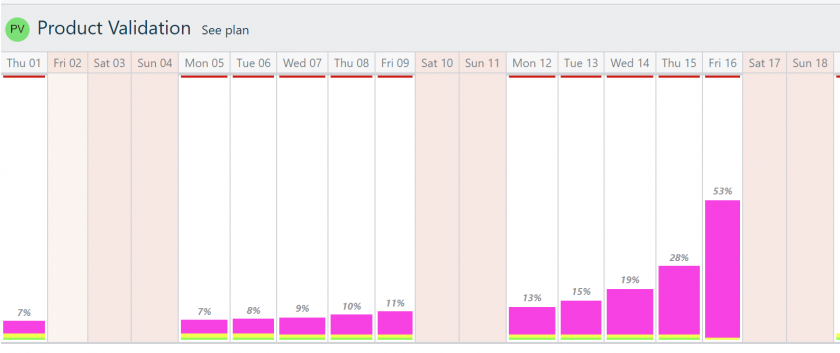
Project management software like Twproject can help you keep track of workloads, deadlines, and priorities without chasing down information spread across emails and chat messages. A centralized overview of ongoing tasks helps you take quick action when a task is at risk of being delayed, allowing you to redistribute the work before the situation becomes unsustainable for one or more team members.

Knowing every team member: strengths and limitations
A high-pressure workgroup is where the manager truly knows everyone on their team. Knowing each team member’s strengths—as well as their weak points—lets you assign tasks thoughtfully, avoiding constantly overloading the same resources or assigning critical tasks to those who don’t yet have the required skills.
This approach requires time and careful monitoring, but it pays off: a team in which each member works primarily within their area of strength is faster, makes fewer mistakes, and handles emergencies better, because everyone feels they are in the right role.
Giving and getting constructive feedback
When pressure is high, feedback takes on even greater importance. Receiving regular feedback, both positive and critical, allows your team to course-correct quickly, rather than realizing their mistakes only as the deadline approaches.
A manager who offers constructive, concrete, timely, and non-judgmental feedback builds trust even when the situation is stressful
Feedback should always flow in both ways: asking your team for their perspective on decisions helps identify bottlenecks that those managing the project from above might overlook, and makes each person feel like an active part of the decision-making process, even during the most hectic moments.
Aligning your team towards common goals
When pressure mounts, people tend to focus exclusively on their own tasks, losing sight of the big picture. Constantly refocusing daily work on clear, shared goals helps your team maintain a sense of direction and set the right priorities, knowing how to tell what’s truly urgent from what can wait.
A team that understands how its work contributes to broader company goals is also more motivated to persevere during difficult times, because it sees the real value of its efforts, rather than just the deadline to meet. Teams that consistently achieve their goals are often those in which each person understands why a task is a priority, not just the deadline to meet.
Being able to delegate without losing control
Many managers, when under pressure, often try to keep decision-making centralized for fear of losing control of the situation. Interestingly, this is exactly when being able to delegate wisely makes all the difference. Assigning specific tasks to those with the right skills frees up time for strategic decisions and empowers your team, making them feel involved rather than merely carrying out orders passed down from above.
Delegating effectively doesn’t mean surrendering control, but rather clearly defining expectations and desired outcomes, while leaving room for initiative. Good project management software, helps you maintain insight into progress without having to micromanage every single task.
Managing emergencies without losing your cool
Even with perfect planning, unexpected events are often unavoidable: a team member who doesn’t show up, a supplier who is late, or a client who changes priorities at the very last minute.
In these cases, the manager’s reaction determines whether their team can quickly readjust or end up in panic mode. Staying cool, communicating the new situation transparently, and promptly involving the team in finding solutions prevents panic from spreading from individuals to the entire group.
In these moments, it’s really helpful to quickly distinguish between what’s truly urgent and what can be postponed. A good starting point is to ask which tasks, if not completed immediately, would truly undermine the project’s objectives, and which ones can wait without causing significant harm.
This prioritization process, carried out together with the team, reduces the feeling of being overwhelmed and restores a sense of control over the situation.
Recognizing signs of overload in your team
A skilled manager doesn’t wait until the pressure causes visible damage before taking action. Learning how to recognize the early signals of overload such as short temper, a drop in work quality, more mistakes, and poor participation in meetings—allows you to act before the situation becomes unsustainable for one or more team members.
When these signs become apparent, it’s important not to dismiss them as an individual problem to be ignored, but rather to consider them an opportunity to reassess the overall workload.
Priorities must be clear to everyone, and shifting tasks, renegotiating deadlines with stakeholders, or simply taking a moment to check in on how work is going are simple yet often crucial steps to prevent pressure from turning into a lasting decline in the productivity of your entire team.
10 tips for managing your team under pressure
Along with the general principles, below are actions you can take right away when your team is facing heavy pressure:
1- Check in every day: Even just 10 minutes of daily check-ins can reduce misunderstandings and help you identify problems before they escalate
2- Prioritize with your team: Involve your team in separating urgent tasks from important ones, rather than imposing priorities from the top down.
3- Distribute workloads to match skills: Assign critical tasks to employees with the most suited expertise, avoiding the constant overburdening of the same people.
4- Use a single tool: By having all tasks and deadlines in one place on a platform like Twproject, you can prevent information from getting dispersed across emails, chats, and Excel spreadsheets.
5- Make time for focused work: Cut down on unnecessary breaks during the hours when the team needs to focus on more complex tasks.
6- Notify your team of course corrections immediately: If a priority changes, tell your team as soon as possible and explain the motivation behind the decision.
7- Celebrate small accomplishments: Acknowledging progress—even partial—keeps motivation high during long, stressful stretches.
8- Don’t let your stress impact your team: A manager’s stress can easily spread to their team; keep your cool and you’re a step ahead in risk management.
9- Ask for feedback about the process, not just the results: Understanding what worked and what did not in managing pressure will help you improve next time.
10- Plan a recovery period: After a challenging stretch, give your team time to catch their breath before moving on to the next phase.

